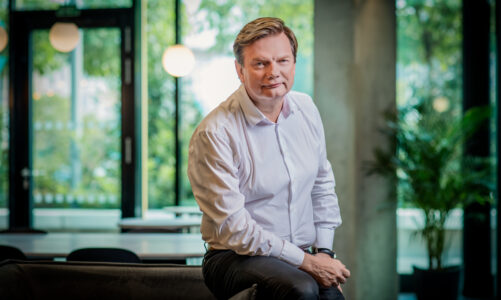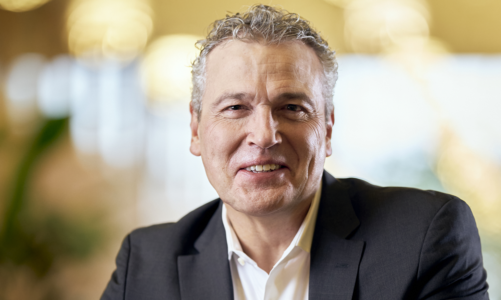

Deputy Mayor of Brno, Filip Chvátal, discusses with our magazine the next phase of flood control measures, the modernisation of waste-to-energy systems, and the key steps to link the city to the hot water pipeline from Dukovany. He also outlines the city’s plans to eliminate barriers and develop its family policy.
You are planning the next phase of flood control measures for the Svratka and Svitava rivers. What will be the key milestones and budget for this phase from 2026 to 2028, and which blue green infrastructure elements will Brno incorporate?
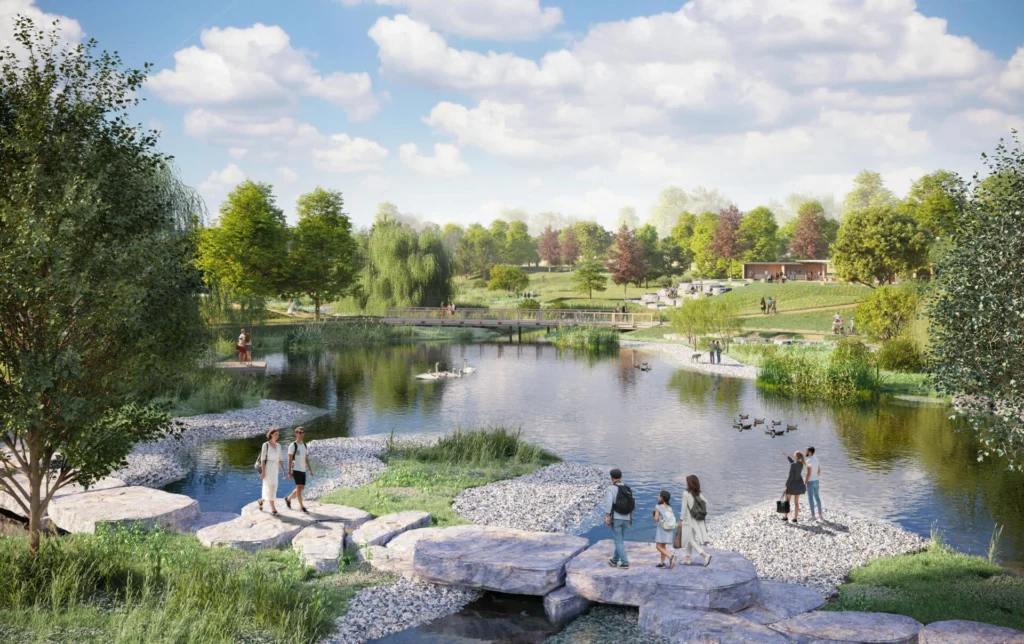
The next phase has an approved building permit and a project budget of CZK 3.8 billion, including an expected subsidy of CZK 1.8 billion, with the remaining costs covered by the city. Key steps include evaluating the subsidy application, finalising documentation, and preparing property rights before construction begins. The large flood protection park will safeguard about 180 hectares of land and several thousand residents. It will feature technical measures, ponds, new vegetation, recreational areas by the water, and interconnected cycle paths. We will assess the benefits based on the size of the protected area, the water retention capacity, the impact on the microclimate, and the quality of public space.
The waste-to-energy project and the planned upgrade of Brno’s municipal waste incineration line mark a major step toward a circular economy and reduced reliance on fossil fuels. What role does the city of Brno have in the third phase of this project?
The city is managing the project through its company, SAKO Brno. The modernisation will positively impact the company’s finances and enhance the long-term sustainability of energy recovery from waste in Brno. Additionally, the project ensures long-term, socially sustainable pricing for energy recovery as part of the waste management hierarchy. We will assess the results mainly based on emission reductions, energy recovery efficiency, and the stability of heating prices for households.
What specific actions are you planning to implement by 2027 to maximise the benefits of the hot water pipeline project from the Dukovany Nuclear Power Plant to Brno, intended to supply heat to a substantial part of the city by 2032?
By 2027, we aim to finalise property rights proceedings, prepare routes, and upgrade the distribution network. Key investments include high-quality piping, insulation, modern heat exchangers, and modifications to public buildings. These steps are crucial to minimising heat loss and environmental impact. The hot water pipeline will significantly reduce emissions and reliance on gas.
What progress has been made so far on the strategic plan to remove barriers set for 2021 to 2030?
We are focusing on three areas: preventing new barriers, providing project consultations, and systematically removing obstacles based on recommendations. Every year, CZK 10 million is allocated for stop modifications, barrier-free access, inclusive playgrounds, and new platforms and lifts. We collaborate with HandMedia to map accessibility and provide public outputs. By 2027, we aim to accelerate progress by enhancing coordination with city districts and prioritising locations that significantly impact residents’ mobility.
What new tools and support measures in family policy will the city introduce in 2026, building on the 2025 subsidy programme and events like Family Week? How will these be connected to the Healthy City and “We Value Your Opinion” initiatives to assess their impact on service availability for families and intergenerational cohesion?
The Family Advisory Board establishes annual priorities, ranging from intergenerational activities to the mental health of young people and seniors, which are reflected in subsidy programmes and in specific projects such as expert meetings and volunteer development. In 2026, we will continue initiatives like the parental voucher project and campaigns such as Family Week and Days for Seniors. We systematically connect projects with Healthy City and the participatory budget “We Value Your Opinion”, as their data and resident feedback enable us to measure the impact on service availability for families better and strengthen intergenerational cohesion.