
The Cardiovascular Care Centre in Brno focuses on diagnosing, treating, and permanently resolving arrhythmias and ranks among the leading facilities employing modern and digital technologies. We talked with the Centre’s executive director, Mgr. Veronika Bulková, Ph.D., about the services offered to clients. She is also engaged in educational and research activities.
You were recently awarded 1st place in the BEST HOSPITAL OF THE YEAR competition for specialised centres, recognising both the cardiology outpatient clinic and the inpatient department of the Cardiovascular Care Centre in Brno. What significance does this hold for you?
This award is a major recognition for us, but it also carries a responsibility. It requires us to continue our efforts and uphold the quality of care we deliver. Our primary focus is on arrhythmology, specifically in treating atrial fibrillation. We believe that excellent healthcare is founded on a mix of expertise, innovation, and a compassionate approach, which we consider most crucial. This priority is embraced not only by our medical specialists but also by all other members of our team, including non-medical professionals, without whom providing our comprehensive care would be unimaginable. The mental health of patients is a critical part of the healing.
What are the most common reasons patients visit you?
Patients often come to us because of symptoms like heart palpitations, irregular heartbeats, or sudden fainting. With the help of our telemedicine centre, MDT – International Telemedicine Centre, we can perform a professional evaluation while the patient is still at home, before they actually visit us. Based on the symptoms they report, we send them an ECG device to use at home, which assists us in diagnosing any arrhythmias. Thus, when the patient arrives at the clinic, we already have a diagnosis. This enables the doctor to promptly determine a treatment plan and arrange any necessary procedures. This approach can save the patient up to three in-person appointments.
Your facility is equipped with cutting-edge diagnostic and therapeutic technology for treating heart arrhythmias. In what ways has this advanced the field of cardiology?
With the advent of new ablation technologies, we have been able to reduce hospital stay durations and enhance patient outcomes. Today, catheter ablation typically involves just a two-day hospital stay and the total duration of sick leave, in the case of an uncomplicated course after ablation, is on average five days. The field of arrhythmology is progressing swiftly, continually driving us to innovate, but such advancements are only achievable through our teamwork. Although we can work swiftly and effectively, we consistently aim to encourage patients to consider how to maintain their health following catheter ablation. Many of our patients struggle with obesity, and our team is dedicated to helping them with nutritional therapy. The outdated belief that obesity treatment requires restricting food is no longer valid; in fact, most patients consume too little and are surprised when they find themselves unable to finish the meal plans we recommend after their visits. For those with severe obesity, we can also employ modern medications, leading to noticeable improvements in just a few months. It brings us great satisfaction to witness patients losing up to 15 kg over six months, which not only boosts their quality of life but also enhances the outlook for their future cardiovascular health.
Cardiology is not the only area you are involved in…
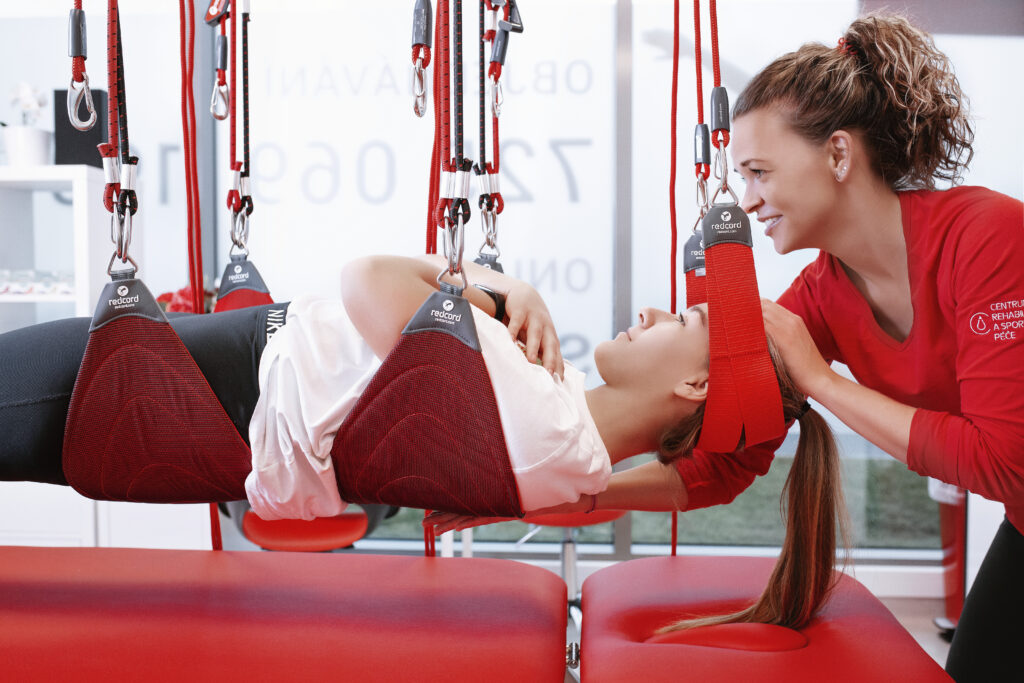
No, that is not the case. Our work in treating atrial fibrillation actually guided us into other areas, like physiotherapy and robotic neurorehabilitation. When we began collaborating with neurovascular centres to treat and detect asymptomatic atrial fibrillation, we discovered a significant gap in the followup care for stroke patients. While these patients receive prompt acute treatment, after discharge, families face major challenges in continuing care and knowing where to seek assistance. The outpatient care system for these patients is ineffective and underfunded. The heavy psychological and physical responsibility of caring for these individuals falls on families, who sometimes find themselves on the verge of financial hardship. The personal stories, often involving very young individuals, motivated us to establish an outpatient neurorehabilitation facility. This facility is a completely unique concept in the Czech Republic, providing comprehensive care for patients with acquired central nervous system injuries, such as strokes and craniotraumas, as well as support for those with conditions like amyotrophic lateral sclerosis ALSALS, multiple sclerosis, Parkinson’s disease, brain tumours, and more. These clients need a broad spectrum of therapies, including not only physiotherapy but also occupational therapy, speech therapy, sychotherapy, nutritional therapy, and robotic therapy, along with cutting-edge methods like tDCS, biofeedback, and telerehabilitation. We now offer all these services under the NEURON CENTRE name at a single location, all under one roof, on the Brno CAMPUS premises.
What is a typical day like for a patient at this centre?
We provide each client with a customised therapeutic plan that includes a variety of treatments, such as an hour of physiotherapy, an hour of occupational therapy, robotic therapy, and additional psychotherapy or speech therapy based on the set therapeutic goals. Clients typically spend between 2 to 5 hours with us daily. We also incorporate essential rest periods into the therapy sessions, tailored to meet each client’s specific needs. This approach allows family members to handle necessary tasks at work or other places, or simply take time to relax and rejuvenate. We focus on improving the quality of life for both our clients and their families. Even with access to top-notch therapies and technologies, our emphasis remains on the human aspect and the individual who requires assistance. Understanding that a patient is more than just a diagnosis and addressing them as a whole with unique concerns is crucial in care. Unfortunately, due to time constraints in modern medicine and a shortage of healthcare professionals, this need is often neglected.
Thank you for the interview.


