
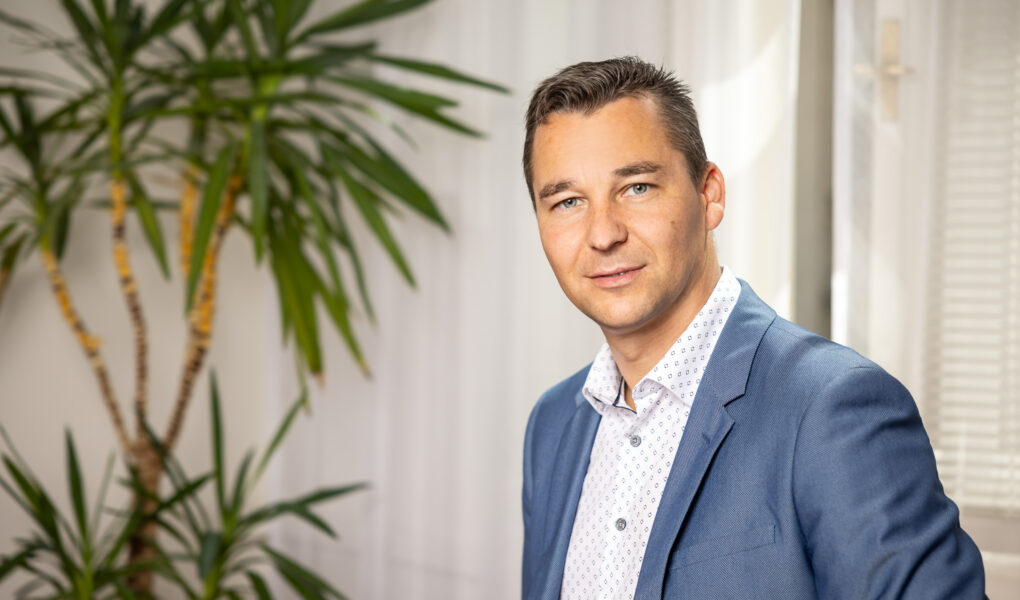
Managing the city’s modern energy needs calls for a clear vision and the setting of priorities, tasks overseen by Deputy Mayor Aleš Boháč in certain companies. How effectively is he applying the experience gained as mayor of Radvanice and Bartovice? Decide for yourself.
Deputy Minister, can you describe the energy stability and self-sufficiency of the City of Ostrava?
I will break down your question into aspects of energy and independence within the city itself, as well as city-owned organisations and institutions that we can directly influence.
Ostrava is unique due to its industrial past and has historically had high demands and consumption of various resources. Large companies and firms have consistently driven the city’s development, continuing to play a significant role in these modern times. Regrettably, I must acknowledge that the city’s previous leadership did not approach the energy crisis with the same awareness as these companies, leaving the city somewhat behind in addressing energy issues. Fortunately, the mayors of various city districts have adopted a more proactive stance, creating energy islands at locations like kindergartens, elementary schools, and community centres. Currently, the vision is to strengthen renewable energy sources and integrate them efficiently. This includes exploring untapped potential in renewables and waste management. For example, the ongoing construction of a cogeneration unit in the sludge management section of the central wastewater treatment plant is expected, within a few weeks, to boost the plant’s energy selfsufficiency from 0% to about 40%.
The city’s energy independence and stability were tested during last year’s September flood, which resulted in temporary limitations in the supply of heat, hot water, and electricity, as experienced by the residents. However, the city successfully addressed these challenges with the help of suppliers. For instance, Veolia Energie CR restored heat supply to most customer sites within three days of the water levels receding.
The steelworks in Ostrava are becoming a thing of the past. How do you envision utilising these former steelworks sites, and what potential risks do you foresee?
In Ostrava, there are numerous areas that have ceased operations, including not just steelworks but also coke plants and other facilities related to coal mining. Utilising these sites presents a significant opportunity for city development and enhancing the quality of life, though it also poses certain challenges and risks. In my view, this is yet another example of the inefficiency of the Czech authorities. From the time of privatization up to the current insolvency proceedings, they could have prevented the outflow of billions from the Czech Republic and quite possibly the shutdown of the steelworks. With greater emphasis on modernisation, these operations could have supported more environmentally- friendly production, provided employment opportunities, and continued steel production, which is undoubtedly a strategic raw material. Discussions about building a new steel plant, for instance, have been ongoing for over 20 years.
These sites hold considerable potential for Ostrava in terms of urban development, economic transformation, and enhancing quality of life. However, it is important to recognise that the City of Ostrava does not own the majority of these large post-industrial areas, which presents specific challenges and limitations. Despite this, Ostrava is actively working to shape the future of these areas by collaborating with owners, ministries, and other key stakeholders.
The air quality in Ostrava has improved considerably, and the city is developing so-called green lungs. What projects are you planning to undertake?
In recent years, Ostrava has experienced a marked improvement in air quality, thanks to various key measures and projects aimed at enhancing environmental sustainability. The closure of certain industrial facilities, the greening of industrial sources, and favourable weather conditions have also played a role in this enhancement. According to the Health Institute’s 2024 measurements in Ostrava, the city recorded the best air quality values in two decades. Currently, Ostrava is concentrating on developing “green lungs” – areas intended to improve air quality and provide residents with more green spaces for relaxation and active leisure. Among the significant projects are the Benátky Forest Park, the castle park in Poruba, and the Bělský Forest, which serves a recreational function and is the largest forested area in the central part of the city’s South district, – with nearly 100,000 inhabitants, it is the most populous district of the city. Numerous projects here have been completed, are ongoing, or are planned to benefit citizens. Ostrava is a leader in implementing blue-green infrastructure measures, integrating them into its projects, planning practices, and adapting to the anticipated impacts of climate change. Projects focused on park improvements, brownfield revitalisation, promoting eco-mobility, and supporting renewable energy sources are contributing to the city’s ecological growth and making it more attractive to both residents and visitors.
You are also the mayor of a city district with experience in utilising brownfields. Could you provide us with details about the KouPark project?
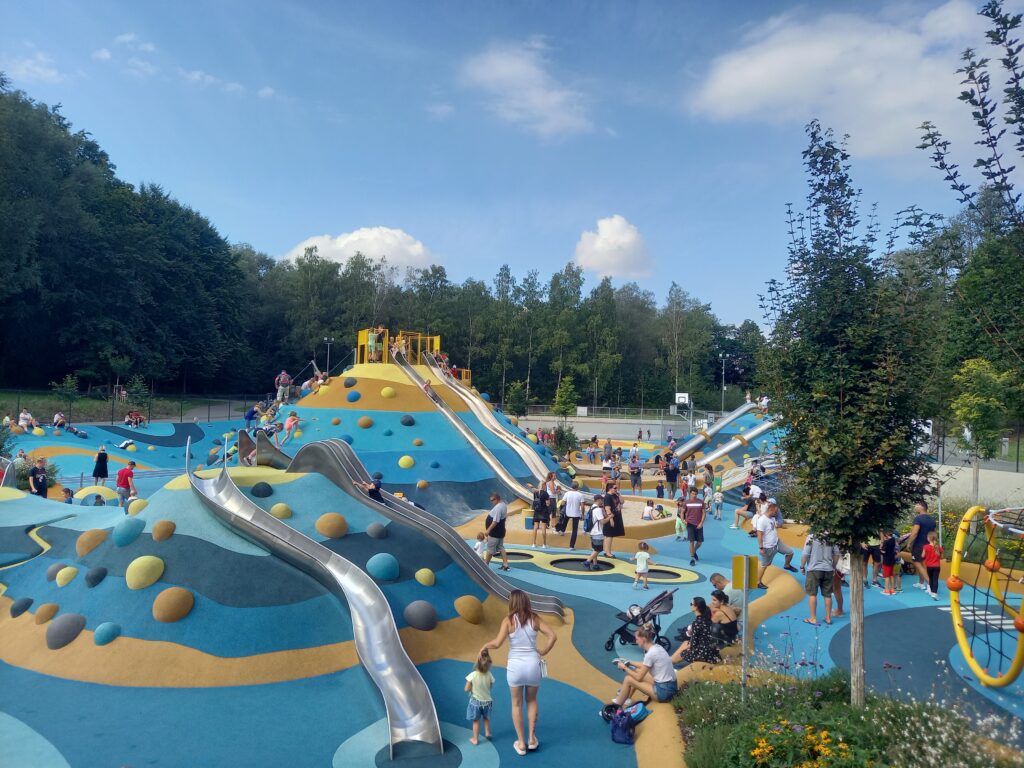
KouPark is a contemporary sports and recreational complex located in Ostrava-Radvanice, which was developed by revitalising a former swimming pool. This project transformed a previously neglected
space into a multifunctional area for families, athletes, and nature enthusiasts. It offers attractive activities that help children improve their movement coordination and other athletic and motor skills. The entire area is covered with a soft, waterproof surface. It features interconnected tunnels, slides with the longest measuring 11 metres, built-in trampolines, and a large array of swings – including one designed to be shared by both children and parents – merry-gorounds, bouncy balls, climbing grips, and more.
For older athletes, there is a basketball tree and structures for basketball and streetball, goals for football, and options to hang nets for tennis, netball, volleyball, and badminton. Surrounding the sports area is a 430-metre in-line track suitable for roller skating, children’s bikes, bicycles, and scooters. KouPark stands as the largest sports and relaxation space of its kind in Central Europe, attracting nearly 80,000 visitors during the 2024 season.
Thank you for the interview


