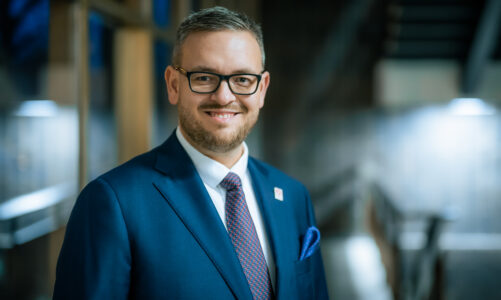
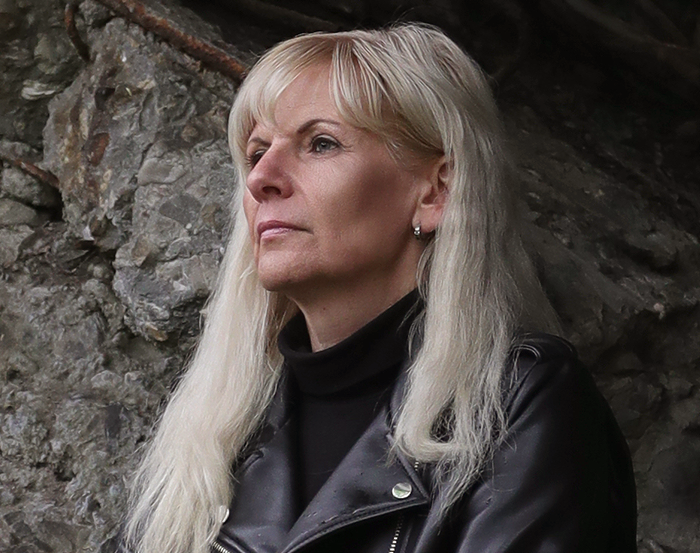
The Silesian Museum serves as a symbolic entry point to Silesia, covering topics from both the living and non-living natural world to prehistory, history, and art history, with a focus on Bohemian Silesia, northern, and northeastern Moravia. In a conversation with the museum’s director, Jana Horáková, we explored their successful exhibition projects and development priorities.
The museum also focuses on studying the cultural history of Silesia. In partnership with others, you are advancing the successful “Princes of Liechtenstein” exhibition project. What has been the outcome of this project’s continuation?
The exhibition, scheduled from 2023 to 2024, became possible through a close partnership with the princely art collections and archives that preserve global cultural heritage treasures. Some of these treasures have significant ties to the history of the Bohemian regions, as well as the historical Liechtenstein family territories in northern Moravia and Silesia. While preparing the exhibition, we discovered numerous valuable materials related to the region in the princely archives. However, due to space constraints or preservation concerns, these could not be displayed physically in Opava. Consequently, we seized the opportunity to showcase them in a catalogue produced in collaboration with the Statutory City of Opava, which was presented to the public at the end of 2024 with the attendance of the Ambassador of the Principality of Liechtenstein to the Czech Republic, Marie-Pia Kothbauer. This catalogue features collections from our museum, local institutions, and items from the princely estate, including portraits of all thirteen reigning princes, a gouache drawing of the princely crown commissioned by Charles I after conquering the Krnov area, and architectural plans for several buildings, such as the Opava castle from the late 18th century. The catalogue was published in a bilingual Czech-English version, and more than 20 authors from the Czech Republic and abroad collaborated on it. We believe that this makes the book, which concludes the whole project, exceptional.
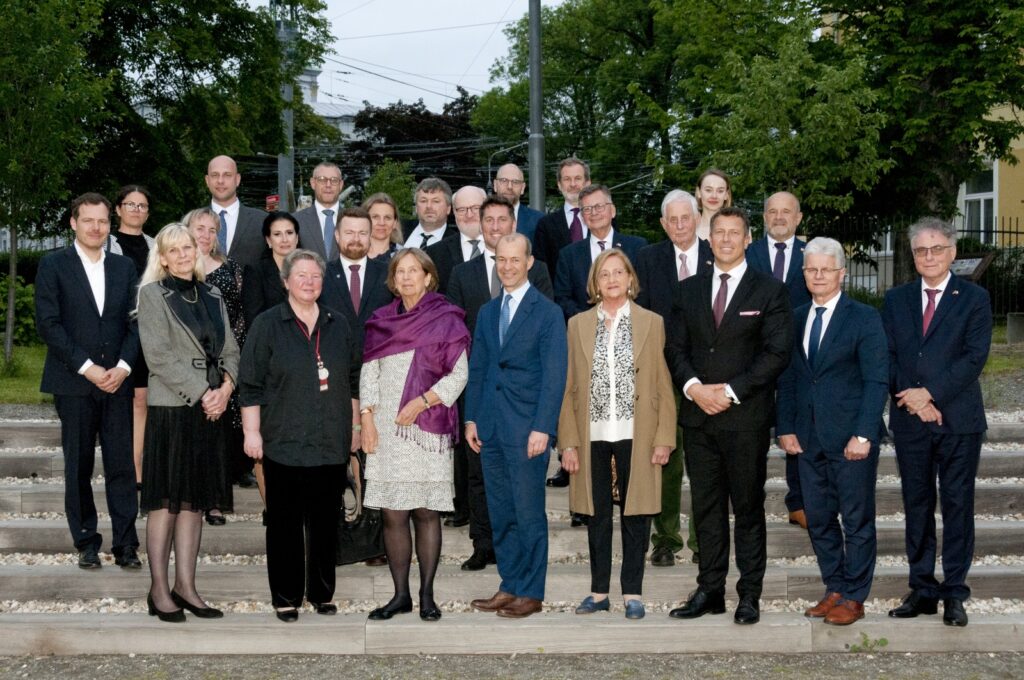
A group photo with the Princely Family at the opening of the exhibition “Princes of Liechtenstein: Lords of the Opava and Krnov Regions” in May 2023.
What intriguing art collections and archival materials related to this princely family are in your care?
The connection between the Silesian Museum and the Liechtenstein family has always been very strong. The museum’s historic exhibition building was constructed on the site of the former Opava castle, a land gift from the renowned patron Jan II of Liechtenstein. He also made significant financial contributions to the museum’s construction and either donated or funded the acquisition of many valuable artefacts for the collections. Most of these works, especially those in applied art, thankfully survived the tumultuous end of World War II. Additionally, the museum was developing a provincial picture gallery, which included valuable paintings and drawings among these donations. John II’s patronage was highlighted in a 2016 museum exhibition and catalogue. Key items in the collection comprise Gothic aquamaniles, Renaissance reliefs, Italian medals and plaques, Baroque Meissen porcelain, and exquisite late Gothic and Renaissance tapestries. The painting collection features works by renowned artists such as Lucas van Valckenborch, Nicolas Régnier, and Simon Vouet, whose pieces are highly esteemed in global galleries. An interesting addition is a gift from the current reigning Prince Hans Adam II – a set of contemporary stamps from the Principality of Liechtenstein, donated during his visit to Opava in 2015.
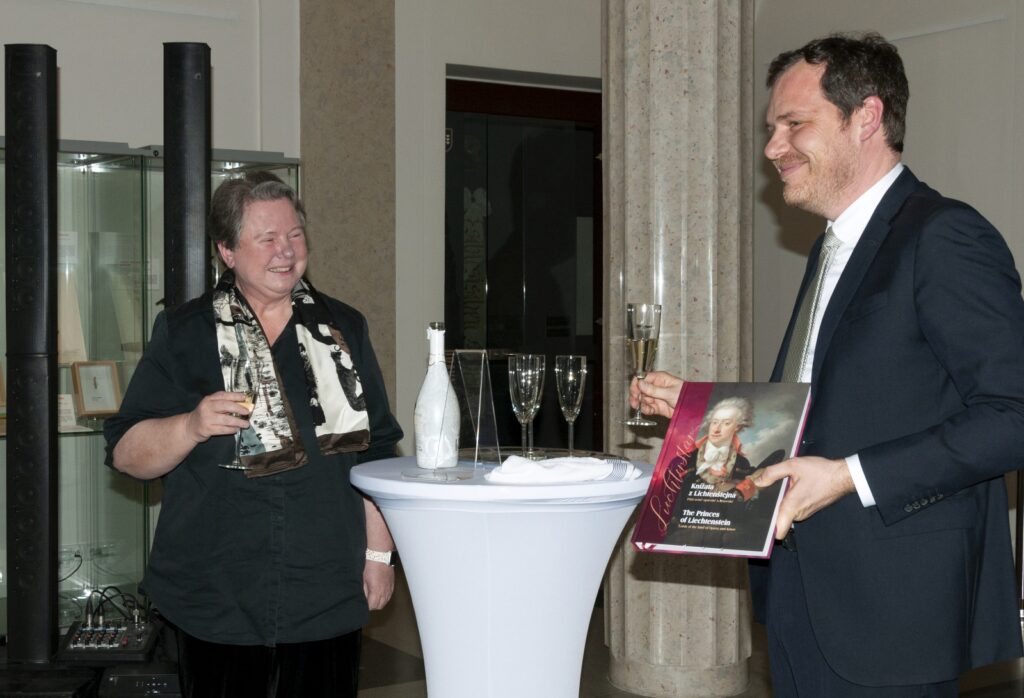
Marie-Pia Kothbauer, Princess of Liechtenstein and Ambassador of Liechtenstein to Austria and the Czech Republic, at the launch of the expanded catalogue for the exhibition “Princes of Liechtenstein” in 2024.
The museum holds several interesting objects and collections. Could you share your priorities for future investments and exhibitions?
The Silesian Museum possesses a range of fascinating, beautiful, and historically significant properties, including some that are cultural monuments. Additionally, it oversees several operational buildings, all of which require proper maintenance. Consequently, we have many investment plans. Currently, our top priorities are two projects: constructing a central depository and initiating the first phase of restoring the Baroque Blücher Palace in central Opava. Both projects are set to begin this year and are made possible by financial support from the Ministry of Culture.
Thank you for the interview.