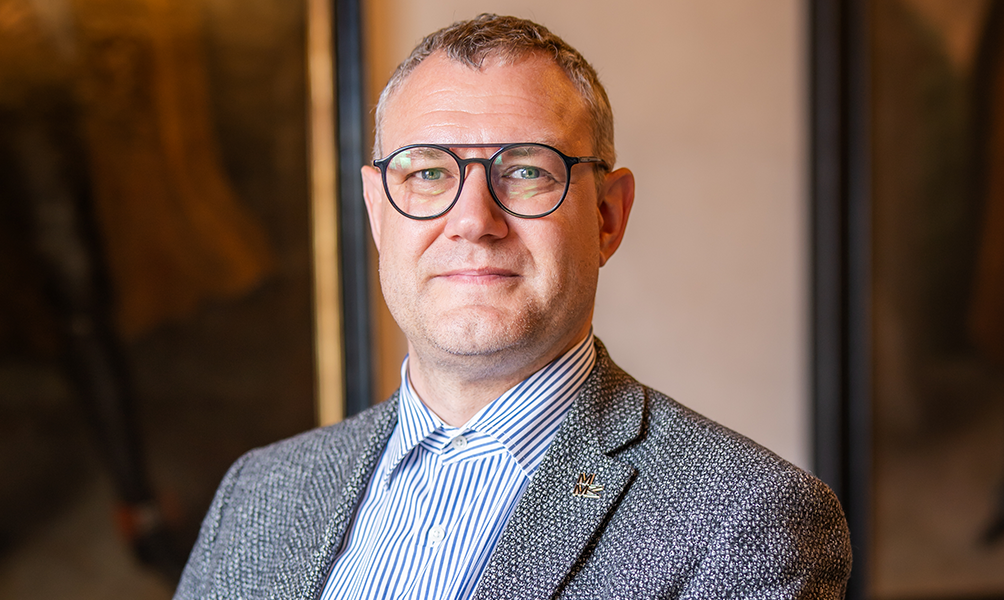
The Brno City Museum presents the history and culture of Brno at five different locations, including Špilberk Castle, Villa Tugendhat, Villa Wittal and Villa Arnold. We interviewed Zbyněk Šolc, the museum’s director, to discuss how the museum achieves its mission and explores opportunities for commercial use.
What steps are you taking to make museums appealing in the 21st century?
We aim to transform the museum into a dynamic partner of the present rather than just a place of history. We make our exhibits accessible to the public both physically and through content, using exhibitions and modern communication methods. On social media, we highlight the expertise of our team, which employs technologies like 3D printing, AI, and DNA analysis.
We are also concentrating on innovative formats such as night tours, educational programmes, and cultural events designed to attract a younger audience. We draw inspiration from international examples, like those in London or Copenhagen, where parties are frequently held in exhibition areas. Instead of waiting for visitors, we proactively engage with the public space and provide content that competes well with other leisure activities.
How challenging is cultural management today?
In essence, cultural management is similar to managing any other type of organisation – it requires clear goals, an understanding of target audiences, and the ability to measure outcomes. We utilise data, monitor attendance, assess satisfaction, and seek inspiration from international practices. The unique aspect is that it involves long-term responsibilities – managing collections over generations, with some goals being difficult to quantify. Nonetheless, we focus on planning, efficiency, and accountability to both the public and our funders. We maintain transparency about what we provide to society in exchange for public funding.
How do you succeed in preserving and utilising the important architectural sites managed by the Brno City Museum?
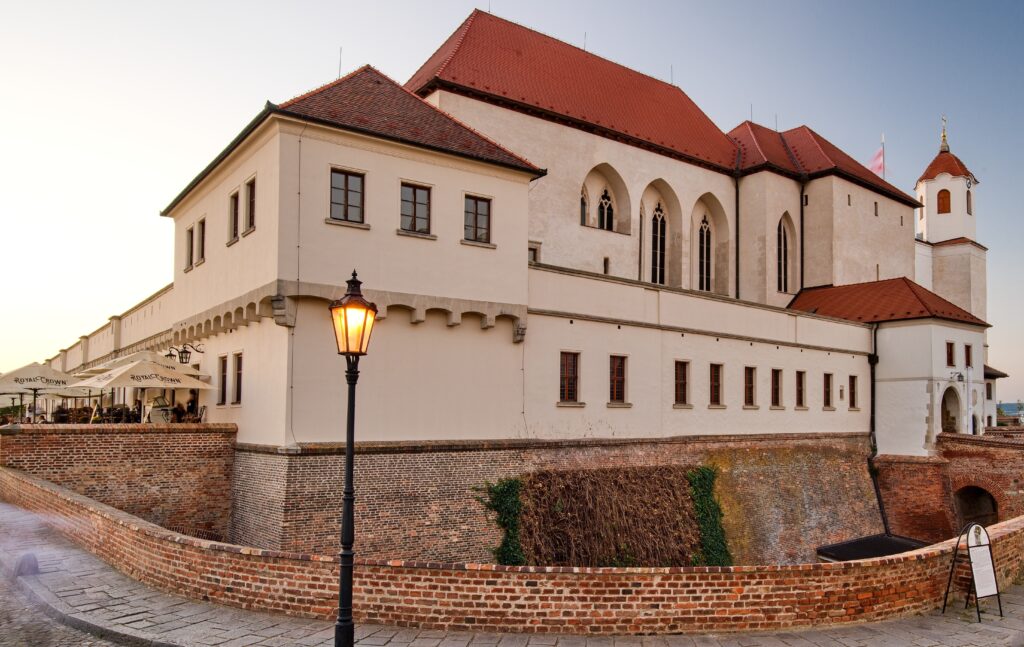
We oversee distinct properties, each with its own history and operating circumstances. Špilberk is a city landmark, attracting over 700,000 visitors and featuring permanent exhibitions, galleries, and cultural events. In contrast, Villa Tugendhat, a UNESCO World Heritage Site, has limited capacity; therefore, we are creating additional programmes and products to offer an experience to those unable to visit inside.
Arnold Villa provides a platform for discussions on historical and contemporary social topics. Every item possesses a unique character, function, and atmosphere. With the city’s support, we are able to not only repair and maintain these sites but also invest in their development.
What resources do you acquire to operate the buildings managed by the Brno City Museum?
The primary source of funding comes from the founder, the city of Brno. However, we attain up to 35% self-sufficiency through entrance fees, rentals, and merchandising. We are especially successful in selling souvenirs and original products, such as the unique Villa Tugendhat made from blocks by a Danish manufacturer.
Private funding has developed at a slower pace, but we see great potential in commercially leasing our spaces. This approach is beneficial financially and as a means to reach new audiences and link culture with different sectors of society and business.
Thank you for the interview.


