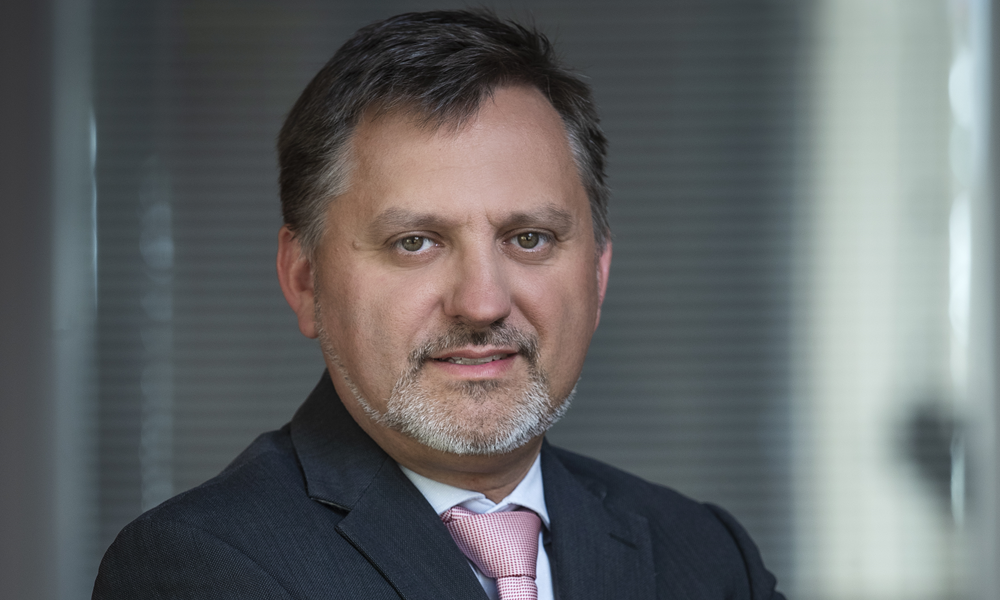
We discussed the enhancement of high-standard rental housing in the Czech Republic, including the pursuit of more equitable tenancy agreements and the concept of creating inviting living spaces, with Jan Rafaj, the chief executive of Heimstaden’s Czech branch, who is a member of the Presidium of the Rental Housing Association of the Czech Republic.
The Ministry of Regional Development has carried out research that highlights grievances from both landlords and tenants regarding unpredictability within the rental market. You are a representative of the largest rental housing provider in the Czech Republic, what is your view of these instabilities?
The primary criticism regarding the survey is the lack of transparency from the Ministry of Regional Development (MRD) about its methodology, participant demographics, and the process used for interpreting the findings. Within our Rental Housing Association, we did not notice a comprehensive inclusion of our members in the survey. Furthermore, our company was compelled to exclude numerous replies due to ambiguous phrasing and concerns over GDPR compliance. Nevertheless, the survey’s conclusions, such as the assertion that the average rate of tenants in the Czech Republic failing to pay rent is 0.3%, have sparked a flurry of reactions from major property owners. They report discrepancies with their own experience, noting a rise in the number of non-paying tenants. In our own company, we have clients who breach the contract terms and disrupt communal living standards. However, terminating agreements with such individuals is difficult, costly, and, most importantly, a lengthy process. Therefore, we exercise caution when entering into new agreements, typically offering one-year leases to new tenants. Starting from April, we plan to provide new tenants with one-year leases that include an automatic option to extend them for an additional two years, should they not cause any issues. For current tenants on fixed-term leases, we are offering the possibility of extending their contracts by two years, maintaining the same terms. We also engage with tenants in arrears, conducting preventative measures and assisting them in securing housing benefits. The number of evictions is thus significantly lower than the number of originally registered defaulters. The need for a constructive solution to the issue of defaulters persists, of course, and we are trying to cultivate the elements of rental housing, but we would like the rental relationship to be more balanced. The situation, both in legislation and in practice, is still not ideal. However, I believe that the proposed changes by the Ministry of Regional Development are moving in the right direction.
Heimstaden’s main area of activity is in the Moravian-Silesian Region, focusing on the administration and restoration of mostly old flats. Regarding new housing developments, does your experience extend to such projects in different areas, and how would you describe the demand for these properties?
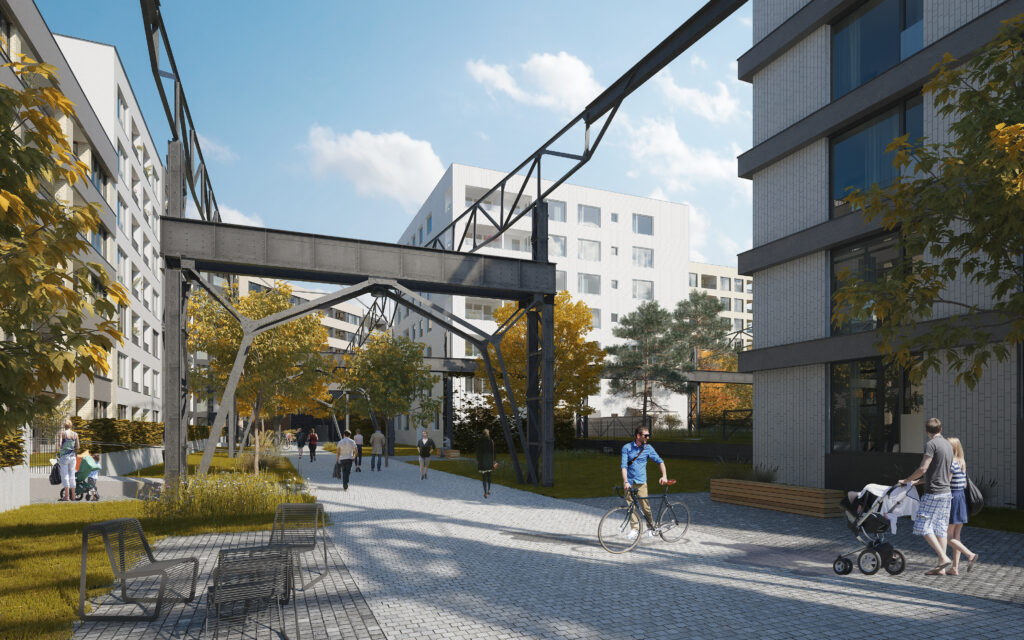
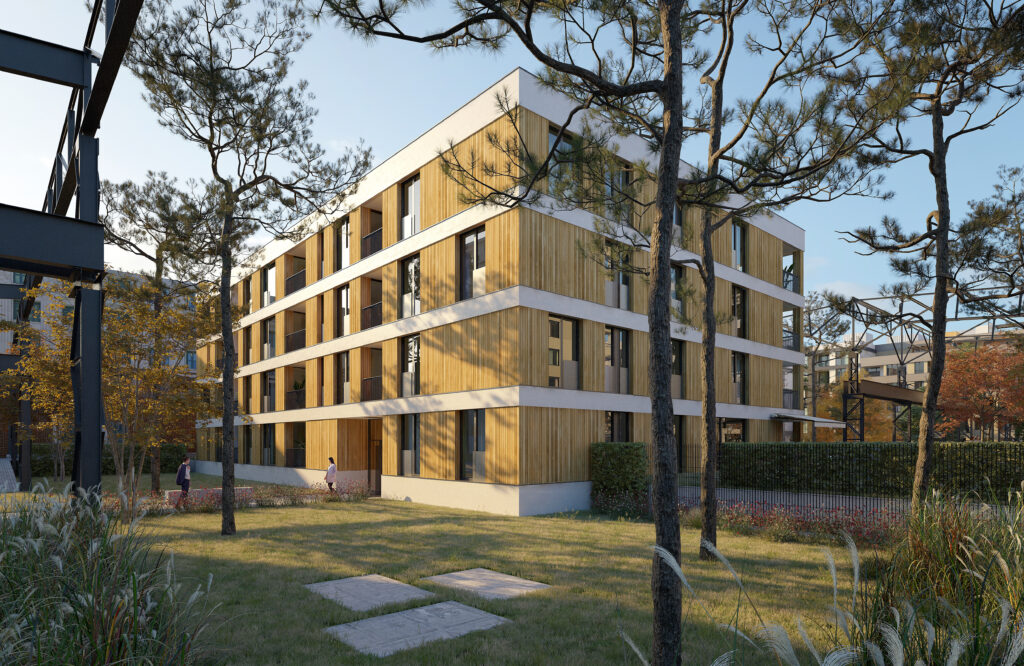
Following the acquisition of over 200 apartments in Pilsen in 2021, Heimstaden expanded to Prague. The Mozaika Holešovice project, consisting of 178 rental units ranging from studio to three-bedroom apartments, was constructed by FINEP to our specifications on a turnkey basis. Each flat is outfitted with furniture, a washing machine, a dishwasher, and additional appliances. Situated where the old Ferona warehouse once stood, this project represents a novel venture for Heimstaden, where we aimed to integrate Scandinavian sustainable development ideals while retaining the industrial character of the original Holešovice area. The result is an exceptional combination of timeless architecture, industrial elements and green spaces with grown trees in an enclosed courtyard. And I am pleased that the clients are very satisfied with this type of housing.
Quality residential housing depends on reliable and stable sources of energy. Can your clients count on being offered reasonable prices?
The Heimstaden Group’s commitment to creating friendly homes truly encapsulates the sense of comfort and belonging we want all our clients to feel in their residences. This commitment extends beyond mere words. Nevertheless, there are factors we cannot control, such as the escalating costs associated with housing services. These are external conditions that Heimstaden cannot influence, especially with respect to the surging energy prices from which we derive no benefit. When it comes to monthly charges for these services, we only adjust them by the exact amount by which our suppliers increase their costs for utilities like heating or hot water. Our goal is to ensure our clients are happy living in our properties, and we continuously strive to enhance their satisfaction.
Thank you for the interview


