
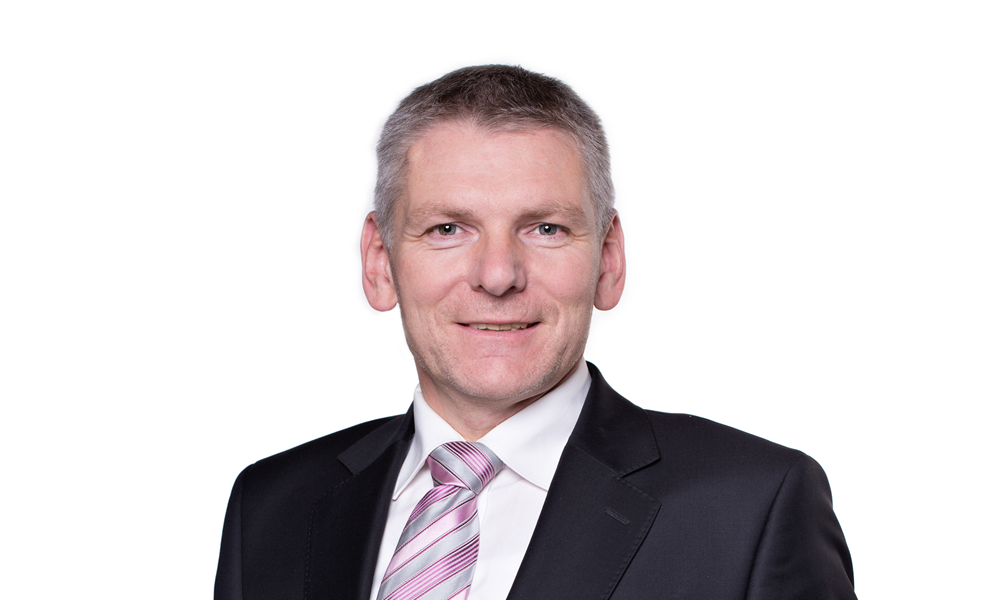
Who is Jiri Hynek? He is an experienced Czech manager who has been the President of the Defence and Security Industry Association (AOBP) of the Czech Republic since 2011. AOBP advocates for companies engaged in innovative production and research, and has a lasting influence on the civilian sector.
The defence industry in this country has a rich tradition and drives numerous innovations in the civilian sector. What does the association advocate for on behalf of its members?
The defence industry is well-established and ready for further development. Czechoslovakia ranked among the top ten global arms powers between the two World Wars. By 1934, we became the leading exporter of arms and military materials worldwide, contributing to a quarter of the global exports. This glorious history provides a solid foundation for the future of the Czech defence industry. In order to support this goal, the Defence and Security Industry Association (DSIA) was established in 1997. Its primary role is to help create ideal conditions for the research, development, production, trade, and marketing of defence and security equipment and materials. We undertake a significant amount of work for our more than 200 members, organising over fifty events annually. Since we represent a highly export-oriented sector, with nearly 90% of our production going to over a hundred countries, much of our effort is focused on promoting these exports, which are now thirty times greater than when the association was founded. Domestically, we also focus on tasks such as enhancing the defence industry’s relationship with the banking sector.
It is not just the Czech Republic that is investing in modernising its security forces. Are member companies successful in joining cooperation programmes with international manufacturers?
Yes, in some instances, and quite successfully. However, to be heavily involved in major projects, manufacturers need to be engaged from the early stages of development to secure a significant share of the value added. Often, they can only achieve this when the government invests in these programmes. Unfortunately, in the Czech Republic, there is no strong culture of long-term investment, which puts Czech manufacturers at a disadvantage. For instance, the development of the F-35 fighter jets began in the 1990s. Still, our government only decided to purchase them last year. As a result, we are over 30 years behind those countries that made strategic investments early on, thereby supporting their industries’ involvement from the outset. One way to involve Czech companies in future large-scale programmes is through the European Defence Fund. To support this, the AOBP assists companies by providing information, helping them find partners for consortia, and offering various consultations. The Industrial Cooperation Division of the Ministry of Defence, which oversees the programme, also plays a crucial role in this effort.

The IDET International Defence and Security Technologies Fair is returning to Brno this year. Do you consider this event a platform for promoting Czech industry exports?
The IDET significantly benefits Czech manufacturers of defence and security technologies. The event attracts numerous foreign delegations from countries where Czech exports are active or being pursued. Additionally, Czech companies can engage with representatives from international companies exhibiting at the IDET, enhancing their participation in global arms projects. Moreover, Czech startups have the chance to connect with potential investors. Such fairs are of great importance for the Czech export-oriented industry, which defence and security technologies undoubtedly are.
Thank you for the interview.